Winter in Japan: Ski, Onsen and City Comfort
Winter Japan is one of our most underrated seasons. Hokkaido powder, onsen evenings, fewer crowds in Kyoto and the comfort of Tokyo restaurants in cool weather.
Winter in Japan is one of the most underrated seasons in our work — and one of the most consistently rewarding for clients who choose it. The combination of Hokkaido powder, onsen evenings, fewer crowds in Kyoto and the comfort of Tokyo restaurants in cold weather makes it a quietly excellent trip.
Why winter Japan works.
Crowds are lower than in spring or autumn. Hotels are easier to book — though the best are still busy at New Year. The light has a quality particular to winter that suits Kyoto's temples and Hokkaido's landscapes. And the food culture is at its seasonal peak — the kaiseki menus in January and February draw on ingredients unavailable other times of the year.
Hokkaido for skiing.
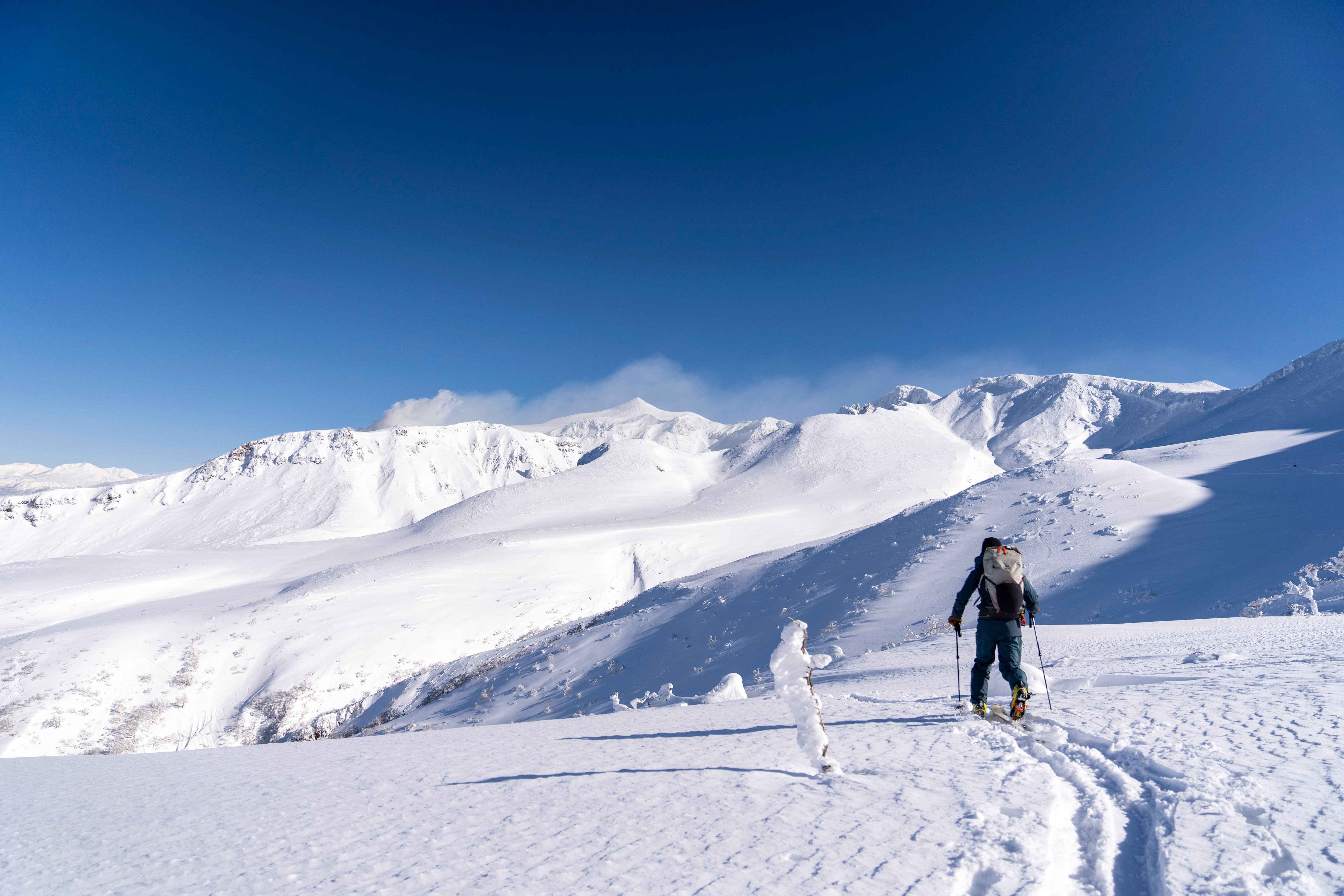
Niseko is the obvious answer for international skiers, with consistent powder and the best infrastructure. Furano and Rusutsu are quieter alternatives that we sometimes prefer for families. The skiing season runs December through early April, with January and February the most reliable. We usually pair four or five nights of skiing with a Tokyo or Kyoto end to the trip.
Onsen ryokan stays.
Hakone, Kyoto's outskirts and Kawaguchiko are all worth a one- or two-night ryokan stay in winter. The combination of outdoor onsen in cold air, kaiseki dinner, and a futon-on-tatami room with snow outside is one of the more specific experiences in travel. The ryokan we recommend — Tawaraya in Kyoto, Hakone's Gora Kadan, Hoshinoya Karuizawa — are book-ahead properties.
Kyoto in winter.
Quieter than spring or autumn, with occasional snow on the temple roofs that creates the photographs people associate with Kyoto without having seen them in person. Cold mornings at Kiyomizu-dera before the crowds arrive are among our favourite Kyoto moments.
Tokyo in winter.
The restaurants are more pleasant when the city is cold. Walking is easier without the summer humidity. The seasonal menus at the kaiseki and sushi restaurants are particularly strong.
When not to go.
Late December into early January is busy with Japanese New Year travel. The few days around New Year itself see many restaurants and shops closed. Mid-January onward is the sweet spot.
Let us help you think through it.
We work through these conversations carefully, one journey at a time.
Start Planning