Tuscany Estates for Family Summers
A well-managed Tuscan estate — staff, kitchen, pool, vineyard, gardens — delivers a family summer that hotels cannot.
A well-managed Tuscan estate — staff, kitchen, pool, vineyard, gardens — delivers a family summer that hotels cannot. The combination of space, privacy and service in a setting that improves over the week is one of the more reliable ways to plan a meaningful European holiday with multiple generations.
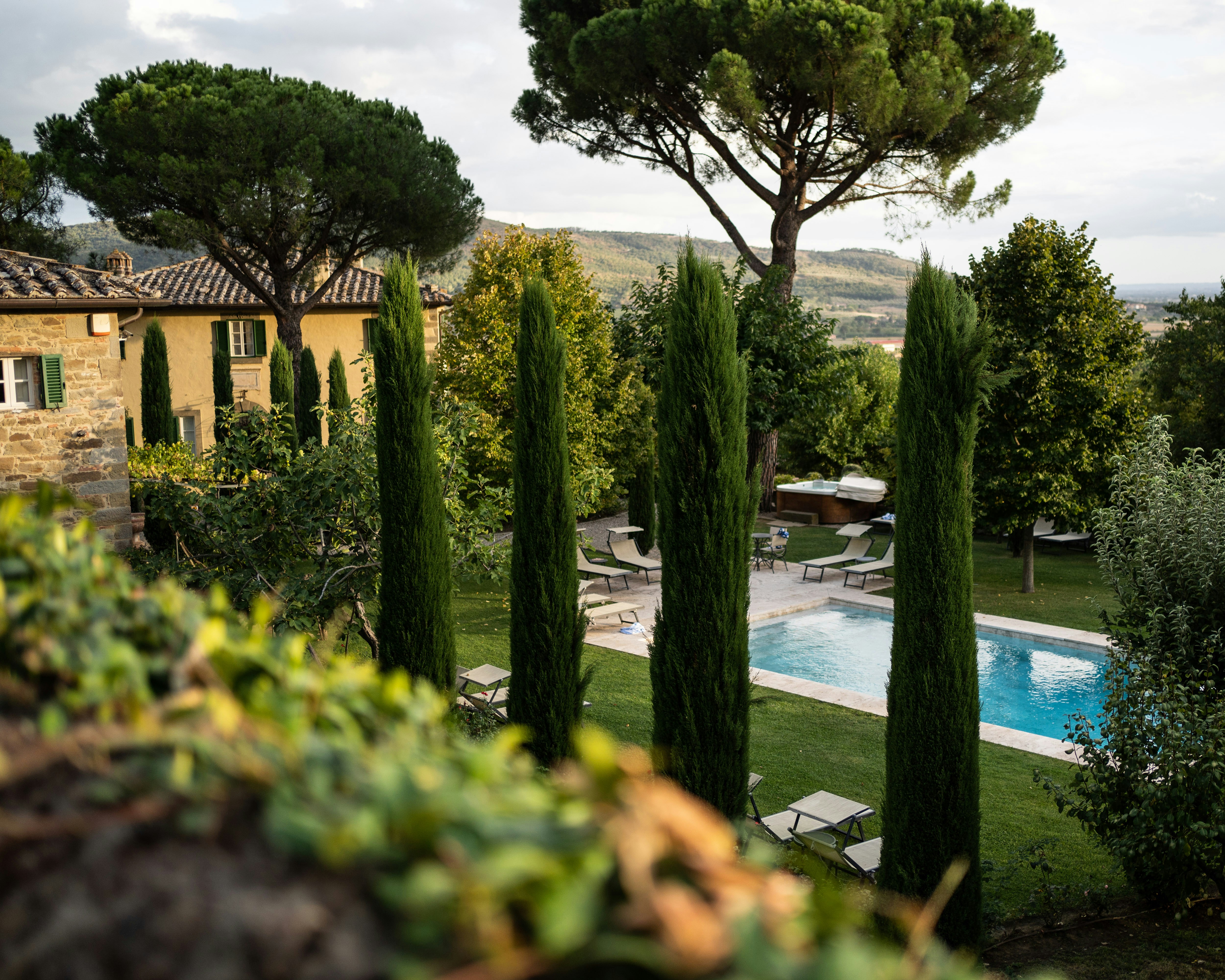
What we mean by "estate."
A privately-owned property with five to ten bedrooms, set on substantial grounds (typically several hectares), with a dedicated team. The team usually includes a property manager who lives on-site, housekeepers, and an on-call chef. Many estates also include working vineyards or olive groves that operate as a small agricultural business alongside the rental.
Where in Tuscany.
The Chianti hills between Florence and Siena are the most accessible — properties like Castiglion del Bosco, Borgo San Felice or private estates in the surrounding villages. The Val d'Orcia further south is more dramatic with iconic Tuscan landscapes (the cypress avenues, the rolling hills photographed in the postcards) but further from major airports. The Maremma coast is quieter and pairs countryside with beach access. Each region has different character; we choose based on the family priorities.
Service level expectations.
A good estate provides what feels like seamless living rather than a serviced rental. The property manager handles transport bookings, restaurant reservations, guide arrangements and any logistics. The housekeeping team manages laundry, the kitchen and daily maintenance. The chef prepares meals at the rhythm the family chooses — breakfast every morning, dinner some nights, with restaurant lunches and dinners during the day trips. This level of integration distinguishes estate stays from holiday rentals.
The chef question, in detail.
Most estate chefs are local Tuscan cooks rather than professional restaurant chefs. The food is regional, seasonal and excellent — fresh pasta, the local meats, the wine from the estate or neighbours, seasonal vegetables from the garden. The rhythm typically works best with breakfast and three or four dinners per week, with lunch and other dinners at restaurants. Full board is heavier than most families want.
The day-trip rhythm.
A Tuscan estate week typically includes day trips to Florence (90 minutes from most Chianti properties), Siena, the smaller hilltop towns (San Gimignano, Pienza, Montalcino), and vineyard visits. Two or three of these per week is the sweet spot. More than four creates the same exhaustion that hotel-hopping itineraries produce.
Length of stay.
Seven nights minimum, ten nights is the sweet spot, fourteen nights for families wanting a proper Italian summer rhythm. Below seven, the setup time exceeds the value.
Combining with Florence at the bookend.
A Tuscan estate week plus three nights in Florence at the start or end (Four Seasons Florence, Helvetia & Bristol, or the Belmond Villa San Michele just outside Florence) is one of our most-requested Italian family patterns. The contrast between estate quiet and Florence intensity works well in both directions.
Booking horizon.
The best estates for summer dates book 8 to 12 months ahead. The most-requested properties in July and August book 12 to 18 months ahead. Late commitments rarely produce the property the client wants.
Let us help you think through it.
We work through these conversations carefully, one journey at a time.
Start Planning