Galápagos for Families
For families with children eight and older, Galápagos is one of the most engaging journeys we arrange — close wildlife encounters, no traffic, no rush.
For families with children eight and older, the Galápagos Islands deliver one of the most engaging journeys we arrange — close wildlife encounters, no traffic, no rush, and a learning experience that registers on children in a way few destinations can match. The trip structure matters significantly.
The wildlife proximity.
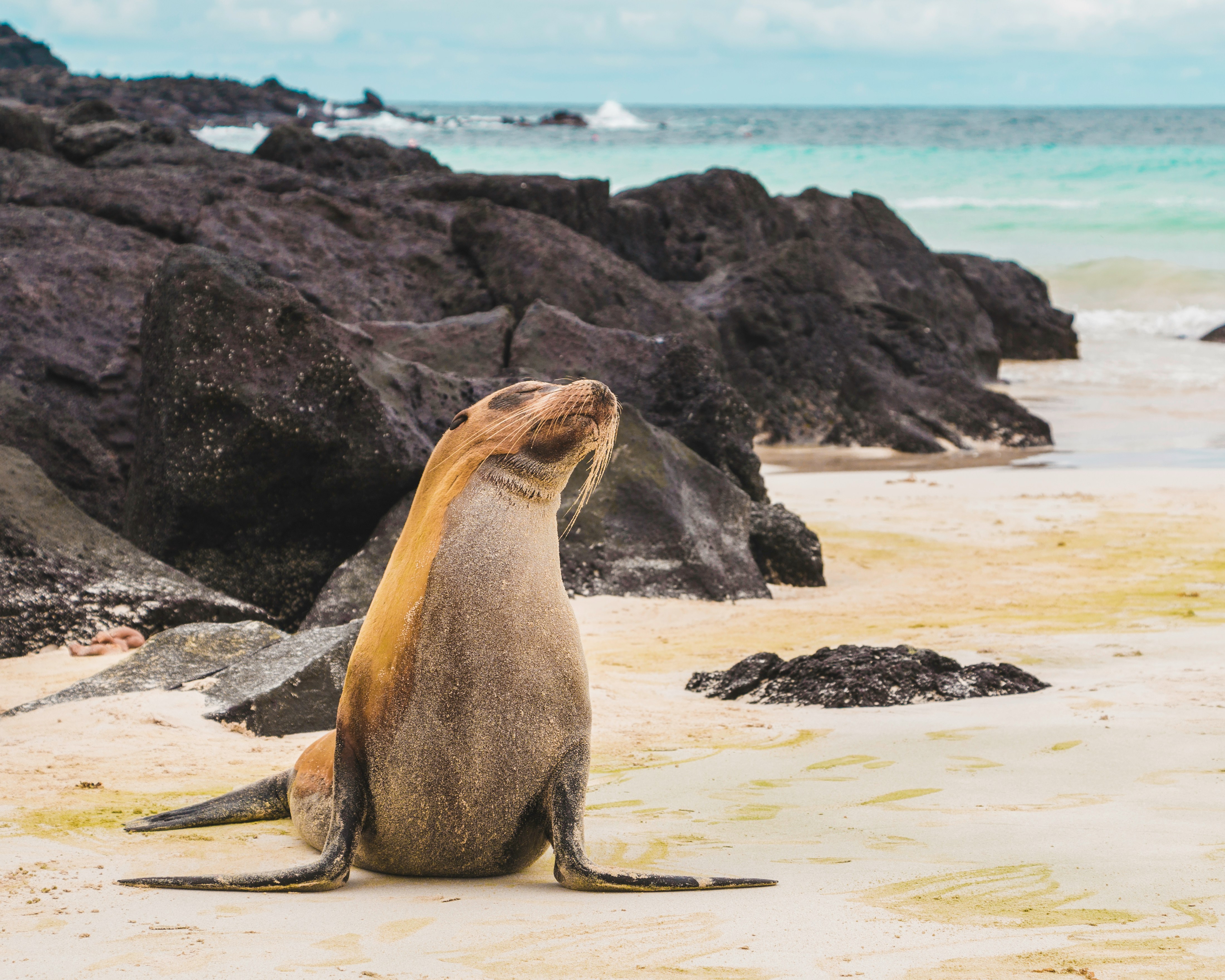
The animals in the Galápagos have evolved without predators and consequently do not fear humans. Giant tortoises, marine iguanas, sea lions, blue-footed boobies — these are not animals you observe at distance with binoculars. They are animals that sit a metre or two from you and continue with their day. For children, this is a different kind of wildlife encounter than safari, and one that leaves a particularly strong impression.
The ship versus land-based question.
Most Galápagos journeys are ship-based — small vessels (typically 16 to 100 passengers) that move between islands and conduct shore landings each day. Land-based itineraries at properties like Pikaia Lodge or Royal Palm offer day excursions from a fixed base. For families, the ship-based approach generally works better — it allows access to more islands, the rhythm is structured, and the close-quarters experience often helps families bond.
Vessel selection for families.
Smaller, higher-end vessels (16 to 48 passengers) are usually our recommendation for families. The expedition team can give more attention, the dining flexibility is greater, and the close-knit guest community works well for children. We pay particular attention to operators that offer dedicated family programming or shorter, less demanding landing options for younger children.
Age and engagement.
Children eight and older engage fully with the Galápagos experience. Younger children can enjoy the trip but may find the structured early-morning landings and the pace of educational content tiring. For families with both teenage and younger children, we sometimes recommend supplementing the cruise with two or three days at the property end of the trip — Pikaia Lodge or a similar — to allow more flexible pacing.
Combining with mainland Ecuador.
A Galápagos trip works well combined with a few nights in Quito or in the Ecuadorian Andes at Mashpi Lodge. We rarely recommend Galápagos as a standalone trip — the long flights involved are better justified with additional Ecuadorian content.
Length.
Five to seven nights on board, with one or two days at each end on the mainland. Shorter cruises (four nights) cover fewer islands and feel rushed. Longer cruises (ten nights) cover more islands but begin to feel repetitive in landings.
Seasonal considerations.
The Galápagos can be visited year-round. December through May is warmer with calmer seas and lush vegetation. June through November is cooler with more wildlife activity (the cold currents bring more marine life). Both seasons work; neither is universally better.
Why we like this trip for families.
The educational content lands on children at the right moment. The encounters are genuinely unique. The pace is structured but not demanding. And the trip combines naturally with city and Andes experiences that broaden the journey.
Let us help you think through it.
We work through these conversations carefully, one journey at a time.
Start Planning