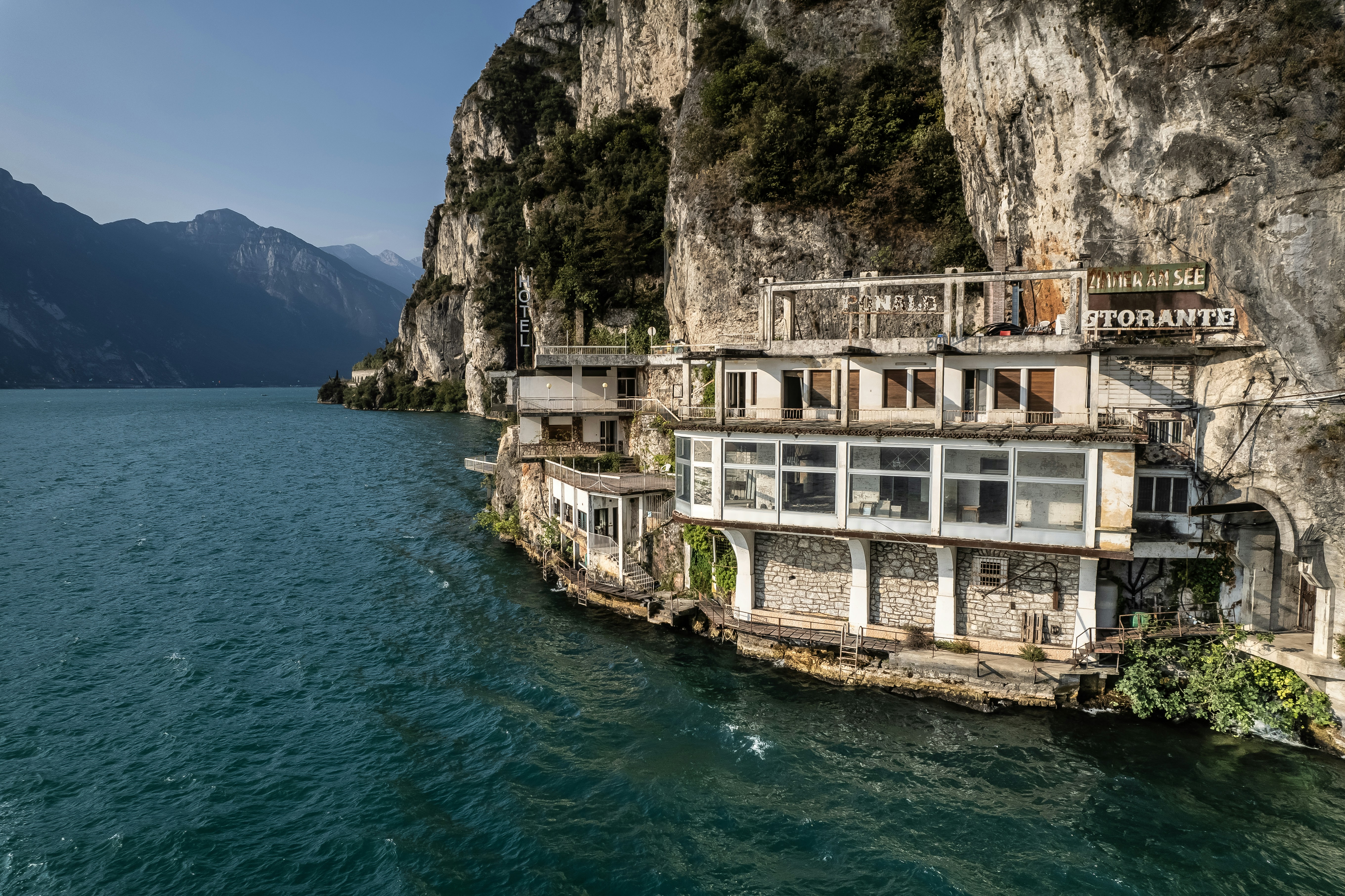
Why We Prefer Fewer Hotel Changes in Italy
Many Italy itineraries try to fit Venice, Florence, Rome, Tuscany and Amalfi into two weeks. We usually suggest doing less, slower.
Most Italy itineraries we are asked to review include too many hotels. Venice for two nights, Florence for two, Rome for three, Tuscany for two, Amalfi for two, then back to Rome. Twelve nights, six hotels. By day eight, the family is exhausted and the trip has stopped being a holiday.
Italy is one of those countries where the temptation to do everything is strongest, and where doing everything works least well. The cities are dense, the small towns are dense, the food experiences need time, and the transitions between regions involve more logistics than people expect.
Our usual suggestion for two weeks.
Two or three locations, not six. For example: four nights in Venice or the Veneto, six nights in a Tuscan villa, four nights in Rome. Each location long enough to develop a rhythm. Each transition meaningful.
The argument against more.
"But we may never come back." This is the most common objection. Our response is that a rushed trip is the surest way to not want to come back. A two-week trip done at the right pace creates the appetite for a second.
What gets cut.
On a first trip, we frequently leave out Amalfi or Sicily. Either deserves a dedicated week. Combining them with Tuscany and Venice in two weeks is the geometry that creates problems.
The Venice exception.
Venice can absorb three nights even at a relaxed pace. The hotel matters more than in any other Italian city — Cipriani, the Gritti Palace, the St. Regis, or Aman Venice — and the experience changes meaningfully depending on which you choose.
The Rome question.
Rome works at three or four nights. Two is too short. Five starts to need an excursion to Castelli Romani or the Tivoli gardens to feel right.
Italy rewards restraint. Doing less, slower, is almost always the answer.
Let us help you think through it.
We work through these conversations carefully, one journey at a time.
Start Planning