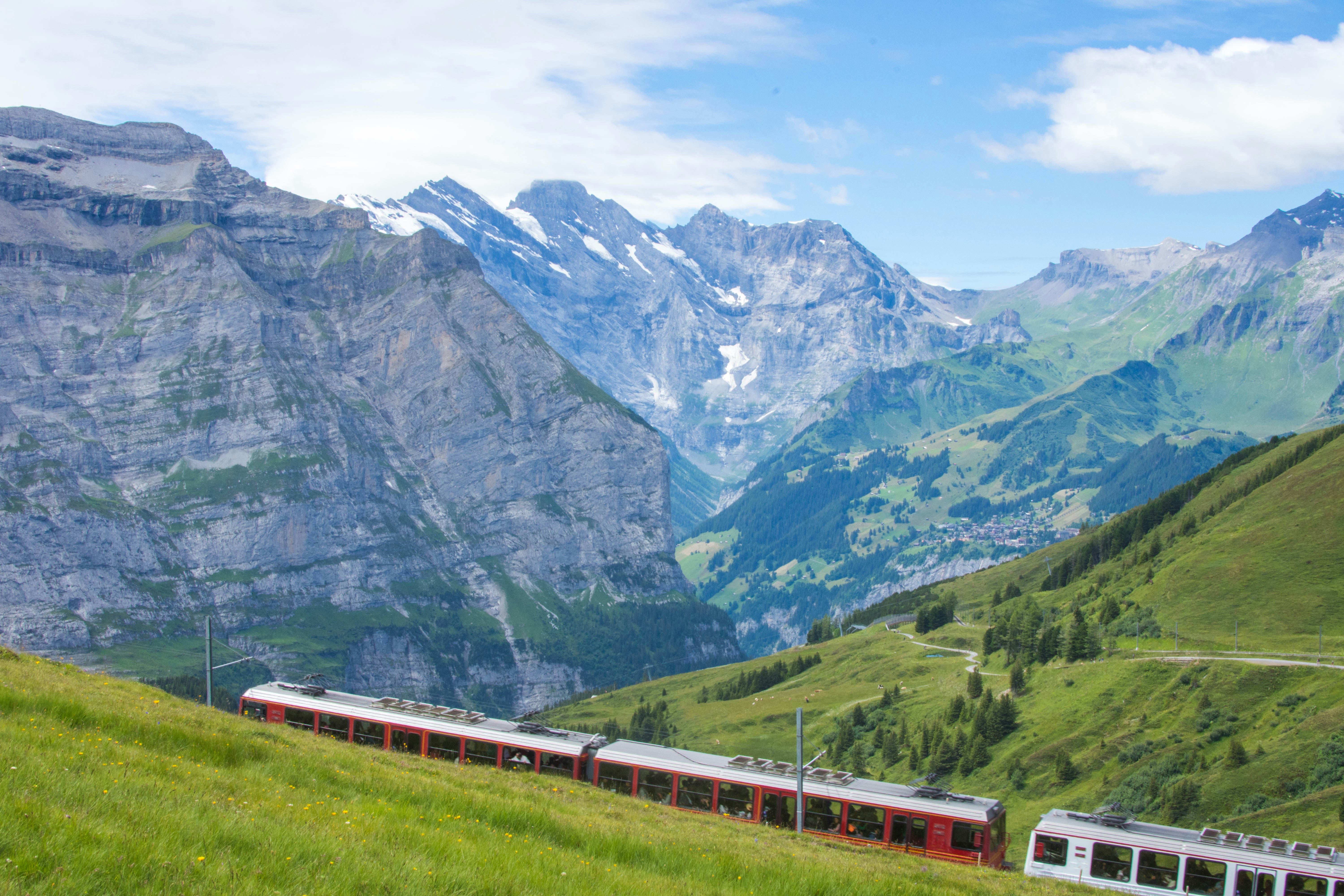
Europe by Luxury Rail: When the Train Becomes the Journey
For certain clients, the train carriage is the destination — the slow passage through Europe more meaningful than where it ends.
For certain clients, the train carriage is the destination — the slow passage through Europe more meaningful than where it ends. Luxury rail travel in Europe has expanded meaningfully in recent years, and the options now extend well beyond the Venice Simplon-Orient-Express that most travellers think of first.
The Venice Simplon-Orient-Express (Belmond).
The reference train. The route most commonly is London or Paris to Venice, typically one or two nights on board. The 1920s and 1930s restored carriages are extraordinary; the Grand Suites added in recent years are an entirely different class of accommodation. The dining experience — three-course dinner with silver service as European landscape passes — is the moment that defines the journey. We book this twelve months ahead for peak summer dates.
The Britannic Explorer (Belmond, launching 2025).
The newest Belmond rail product, a UK-only itinerary stopping at country houses, gardens and seaside towns. For travellers who want luxury rail without leaving Britain, this is the obvious answer once it has operated for a season and the patterns are clear.
The Royal Scotsman (Belmond).
Scottish Highlands itineraries on a small heritage train. Shorter than the Orient-Express, with more emphasis on the daily excursions — distilleries, castles, garden visits — than the train itself. Best suited to travellers who want a Scotland holiday with a train spine, rather than a rail journey with stops.
The Al Andalus and El Transcantábrico (Spain).
Operated by the Spanish national rail company, these are luxury rail products through Andalusia and northern Spain respectively. The atmosphere is different from Belmond — less polished but more local, with food and excursions emphasising regional Spanish culture.
Length and rhythm.
A Belmond Orient-Express journey is typically one or two nights on the train, with the rest of the trip arranged around it. The train is rarely the entire holiday — it is the spine that connects two destinations beautifully. We usually pair an Orient-Express journey with three or four nights in one or both of its endpoint cities.
Who it suits.
Couples celebrating anniversaries. Travellers for whom slowness is the point. Photographers. People who want to feel that travel is the experience, not just the means. Less suited to families with younger children, or to travellers on tight time schedules.
Let us help you think through it.
We work through these conversations carefully, one journey at a time.
Start Planning