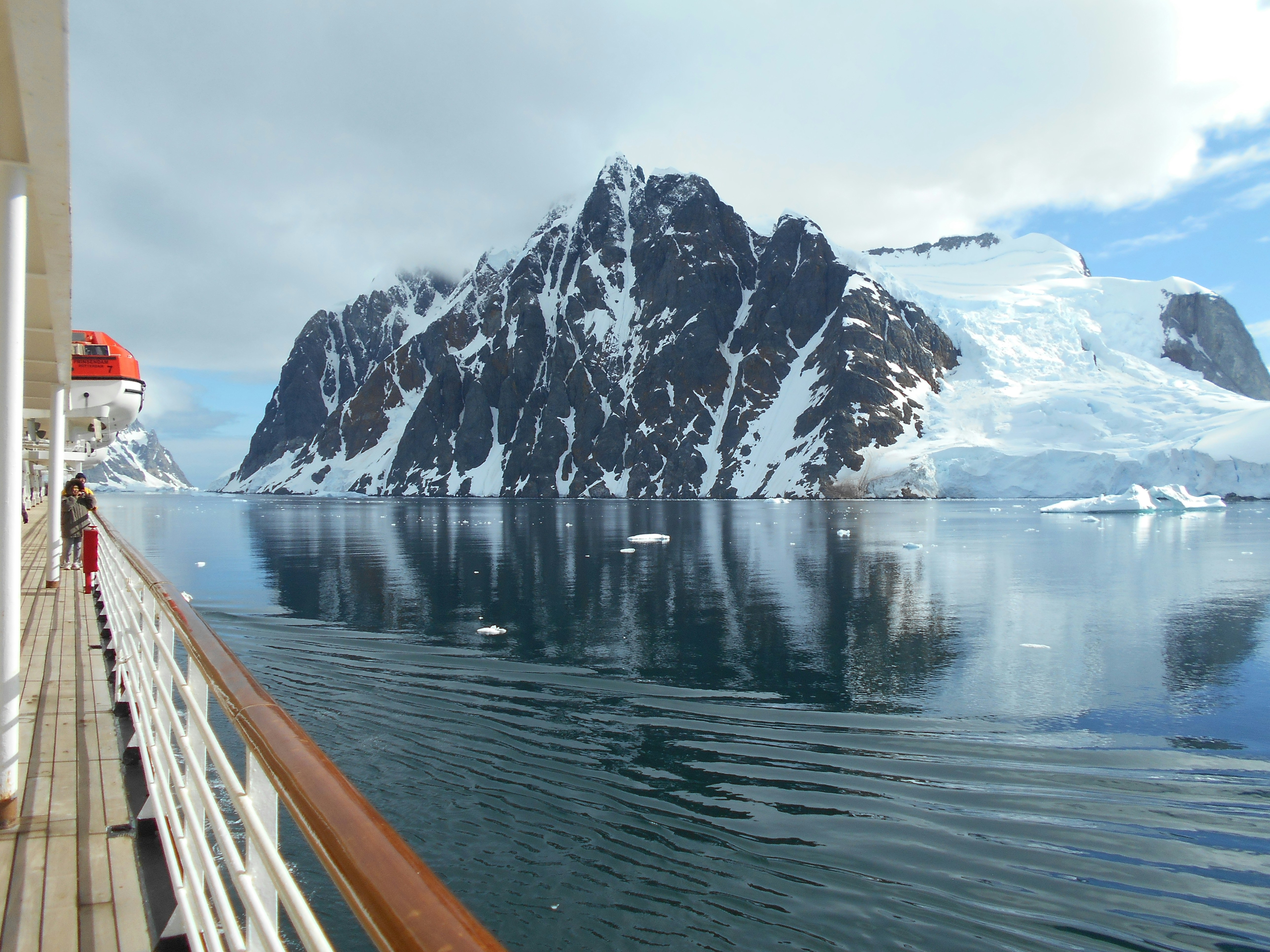
Antarctica: How to Choose the Right Ship
There are dozens of Antarctica expedition vessels now. Vessel size, ice class, cabin configuration and operator culture each meaningfully change the experience.
Antarctica is one of the most rewarding journeys we arrange, and one of the most variable depending on the choice of vessel. The same continent experienced from a 12-passenger sailing yacht and from a 200-passenger expedition ship is two genuinely different trips. The choice of ship is the most important decision for an Antarctica journey, more important than the timing or the itinerary.
Vessel size and what it changes.
Smaller ships (under 100 passengers) can land everyone ashore at every landing site — IAATO regulations restrict landings to 100 guests at a time at any site, so larger ships need to rotate. On a 200-passenger ship, you may get one landing per day instead of two. On a 12 to 80-passenger ship, you generally get the maximum daily landings. For travellers whose priority is time ashore, smaller is better. For travellers prioritising onboard comfort and dining variety, larger ships offer more.
Ice class.
Different vessels have different ice ratings, which affect where they can travel and in what conditions. Polar Class 6 and higher rating vessels can navigate certain ice conditions that lower-class ships cannot. For deeper exploratory itineraries — particularly those that travel further south or into the Weddell Sea — ice class matters. For Antarctic Peninsula classic itineraries, most modern expedition vessels are adequate.
Cabin configuration.
Modern expedition vessels offer suites with balconies, butler service and full hotel-level amenities. The cabin you book matters substantially — Antarctic days involve a lot of time in the cabin between landings, and the quality of the room shapes the experience considerably.
Expedition team quality.
This is the single most important variable that travellers underestimate. The expedition team — the naturalists, the historians, the photographers — determine the depth of what you observe, the quality of the lectures, the safety of the landings. We ask operators specifically about the team for the departure being booked, not just the operator generally.
Operator culture.
Some operators (Ponant, Silversea, Scenic, Crystal) lean more luxury-hospitality. Others (Aurora, Quark, Oceanwide) lean more pure-expedition. We choose based on the client's priorities — comfort versus authenticity is a real spectrum here.
Timing.
November to early March is the Antarctic season. November is the start of the season with ice still forming and unspoiled landscapes; December and January are peak penguin season with continuous daylight; February and March offer better whale sightings and the landscape begins to soften. Each window suits different priorities.
Length.
Antarctic Peninsula itineraries run 9 to 13 days from Ushuaia. Sub-Antarctic and South Georgia itineraries add 5 to 7 days. Crossings to the Falklands and South Georgia add character but extend the trip. We rarely recommend Antarctic itineraries shorter than 10 days — the Drake Passage crossings themselves consume four of those days.
Let us help you think through it.
We work through these conversations carefully, one journey at a time.
Start Planning